

For years, Hollywood chased scale. Bigger explosions. Bigger multi-verses. Bigger opening weekends.
And somewhere along the way, many, if not most, films stopped feeling real. Emotionally real, that is.
Audiences are sophisticated. That’s because human beings are hard-wired to understand stories; the beginning, middle and end of, well, everything. They know when dialogue sounds manufactured. They know when a character’s motivations feel programmed by an algorithm or prompt.
Ironically, as technology has become more advanced, authenticity itself has become commercially valuable again.
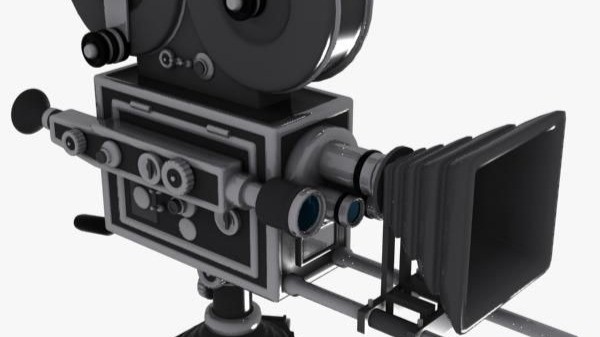
Sylvester Stallone and Quentin Tarantino are reportedly developing a 1930s noir project using old camera technology designed to replicate the visual texture of that era. Why?
Because audiences crave an experience that feels ‘worth it.’
Even the business model itself may be quietly circling back to something older. For decades, ‘straight-to-VHS’ became shorthand for failure — films that bypassed theaters and quietly disappeared into video stores. But streaming and AI have fundamentally altered that perception. Today, there is a hearty bunch of filmmakers making straight-to-VHS films, hoping to latch on to the same vibe that brought vinyl records back into vogue.
These films tend to be hyper-local and story driven.
In many ways, we have returned to a modern version of the true independent film.
And that is healthy. The best stories are often deeply local before they become universal.
Different worlds. Same principle: authenticity never goes out of style.
The irony is that authentic storytelling is often less expensive than the artificial spectacle. Regional locations. A great story. Dialogue rooted in lived experience. Real emotional stakes.
That does not mean audiences no longer want escapism. They do now more than ever.
But even escapism works best when it feels honest.